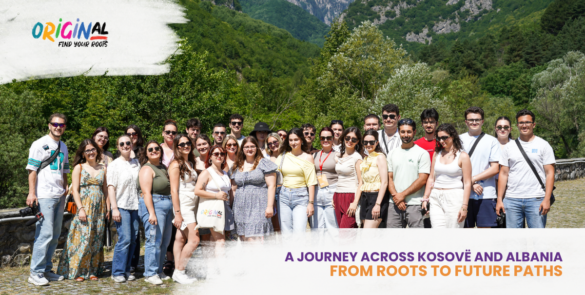

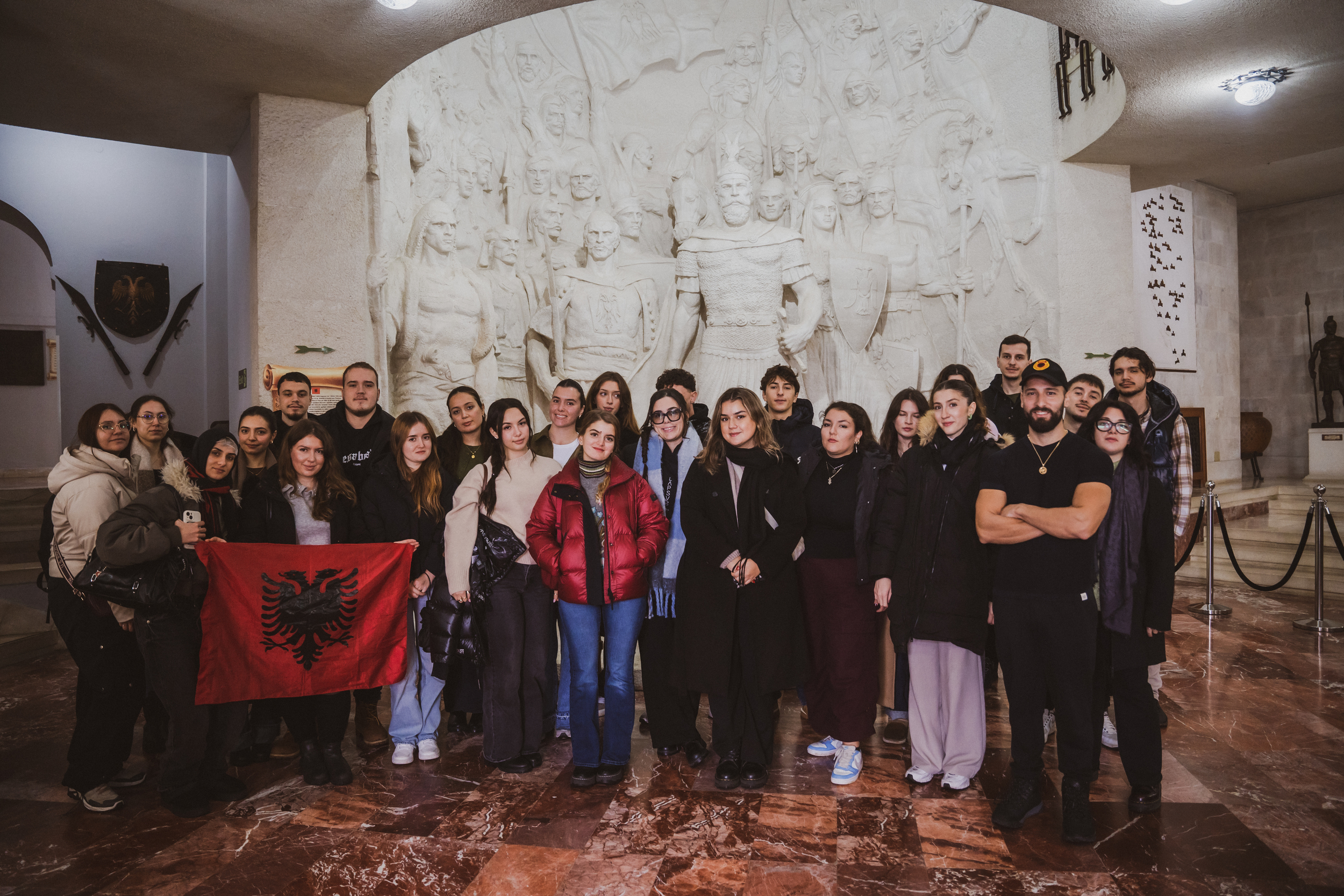
Growing up between cultures can feel like living in two worlds at once. For many young people in the Albanian diaspora, identity is not always simple. You speak different languages, move between different traditions, and sometimes feel like you belong everywhere and nowhere at the same time.
But in that space, there is something powerful, your roots.
Your roots give you a sense of identity
Knowing where you come from helps you understand who you are. Your history, your language, your traditions, they are not just things from the past. They shape how you think, how you connect with others, and how you see the world.
When you know your roots, you do not feel lost between cultures. Instead, you learn to carry both with confidence.
Culture is more than tradition, it is connection
Culture is not only about food, music, or holidays. It is about shared experiences, values, and ways of seeing life. It is the stories your grandparents tell, the words that do not translate easily, the small habits that feel like home.
For diaspora youth, staying connected to Albanian culture creates a bridge. It connects you to your family, your community, and to others who share similar experiences, no matter where they live.
Knowing your roots builds confidence
There is strength in understanding your background. It gives you something solid to stand on, especially in environments where you may feel different.
Instead of seeing your identity as something divided, you begin to see it as something expanded. You are not less because you belong to two cultures. You are more.
Your roots help you shape the future
Understanding your culture is not about staying in the past. It is about carrying forward what matters and shaping it in your own way.
Diaspora youth have a unique role. You bring new ideas, perspectives, and experiences, while staying connected to your origins. This combination allows you to build something new, whether in your career, your community, or your connection to Albania.
It is a choice to stay connected
Knowing your roots does not happen automatically. It takes effort. It means asking questions, learning the language, listening to stories, and staying curious.
But every step you take brings you closer to understanding your place in the world.
In the end
Home is not always one place. For many in the diaspora, it exists in pieces, in memories, in people, and in moments.
Knowing your roots does not limit you. It grounds you.
And from there, you can go anywhere.